

Scrambling in Cape Town and Montagu: Between Hiking and Climbing
What scrambling is, the classic routes on Table Mountain and around Montagu, whether it is safe, what to bring, and how we run it as a guided private tour.

The thrilling middle ground between hiking and climbing
There is a kind of mountain day that sits somewhere between a hike and a climb — where the path runs out, you put your hands on the rock, and you move up through gullies, ledges, and chains with the ground falling away beneath you. That is scrambling, and around Cape Town and Montagu it opens up some of the most exhilarating terrain in the Western Cape. It is also the part of mountain travel where good judgement matters most, which is exactly why we treat it as a guided, private-tour activity rather than a do-it-yourself adventure.
What scrambling actually is
Scrambling is the grey area between walking and rock climbing. On a hike you are on your feet; on a scramble you use your hands as well, moving over steep rock, up chained sections, along exposed ledges, and sometimes through tunnels and chimneys. It usually does not require ropes and harnesses the way roped climbing does, but the exposure is real — a slip in the wrong place has serious consequences. For that reason, guidebooks and local climbers are unanimous: scrambling should be done by people who are genuinely comfortable on rock, or under the eye of a capable leader. It is not a harder version of a walk; it is a different discipline that happens to start where the walking ends.
Scrambling on Table Mountain
The Table Mountain range is a scrambler's playground, threaded with routes that turn a summit day into something far more adventurous than the cable car queue. **India Venster** is the best-known — the dramatic, chained, hands-on line up the mountain's front face, with exposure that focuses the mind and views that reward it. Beyond it lies a whole catalogue of classic scrambles up gullies, ledges, and ravines across the front table, the Twelve Apostles, and the Back Table, long documented by the local scrambling community and by guidebook writers who have mapped the Peninsula's more advanced routes. These lines are magnificent and genuinely serious; route choice, weather, and a steady head are everything.
Scrambling and rock in Montagu
Two-and-a-half hours east of the city, Montagu is one of the Western Cape's great rock destinations. It is best known for its sport climbing on excellent hard sandstone — crags with names like Steeples and the multi-pitch lines of Cogman's Buttress — but it also offers wonderful scrambly hiking, most notably the **Cogmanskloof** route, which climbs above town and finishes with a short scramble to the summit. It is a superb place to feel the transition from hiking into hands-on ground in a friendly, less crowded setting, with the town's hot springs waiting at the end of the day.
Is scrambling safe — and is it for me?
Handled properly, scrambling is a hugely rewarding way to experience these mountains, and it suits confident, reasonably fit walkers who like a bit of a thrill and do not mind exposure. Handled carelessly, it is one of the more dangerous things you can do on Table Mountain — the same features that make it exciting make a mistake costly. The honest answer to "is it for me?" is: probably yes, if you are steady on your feet and comfortable with heights, and definitely only with the right guidance if you are new to it. A good guide keeps the difficulty matched to your ability, picks the route to suit the day's weather, and knows when to turn around — the single most underrated skill in the mountains.
When to go, and how much to take on
The best scrambling conditions in the Cape are dry, settled, and not too hot — the cooler, clearer months of autumn and spring are ideal, and early starts beat both the heat and the wind. How much to take on is the more important question. Scrambles here span a wide range, from short, moderate sections a confident hiker will genuinely enjoy, to committing, seriously exposed routes that demand real experience. There is no shame in starting small; in fact it is the smart way in. A first scramble might be just a few hands-on moves woven into an otherwise normal summit hike — enough to feel the difference and decide whether you want more. From there the terrain can be dialled up as your confidence grows, which is exactly the kind of progression a guide can manage safely.
Getting ready for a scramble
Because scrambling puts you on steep, exposed rock, preparation counts double. Wear shoes with genuine grip — approach shoes or trail shoes with sticky rubber, never smooth trainers — and keep your hands free by carrying a small, close-fitting pack rather than anything that swings or snags. Dry, grippy conditions matter enormously: wet or greasy rock turns an enjoyable scramble into a dangerous one, which is one reason local knowledge of the weather is so valuable here. A head for heights helps more than raw fitness; plenty of strong hikers discover that the exposure, not the effort, is the real test. If you are unsure whether a route is within your comfort zone, that uncertainty is itself a good reason to take a guide. And if at any point a section feels beyond you, the right call is always to stop — good scramblers are defined less by what they climb than by knowing when not to.
How we run scrambling as a private tour
Scrambling, like hiking and bouldering, is part of what we build into private and custom tours, and it is the one where guiding matters most. We assess your experience honestly, choose a route that matches it, watch the weather and the rock, and handle the transport and timing so you can concentrate on the movement and the views. For a first taste we might pair an easier scramble with a summit hike; for experienced scramblers we can aim higher. Tell us how comfortable you are on steep, exposed ground, your dates, and whether you would like an English- or Spanish-speaking guide, and we will design a day that is thrilling for the right reasons and safe for all of them.
Helpful next steps
Use this guide alongside our private tours and custom enquiry options to plan a clear, comfortable Cape Town or Western Cape experience.
Frequently asked questions
What is scrambling?
Scrambling is the middle ground between hiking and rock climbing: you use your hands as well as your feet on steep, exposed rock, usually without ropes.
Is scrambling on Table Mountain safe?
It can be, with the right guidance and dry conditions, but it is genuinely serious — route choice, weather and a steady head matter. It is best done with a capable guide, especially if you are new to it.
What is the most famous scramble on Table Mountain?
India Venster is the best-known — a dramatic, chained, hands-on route up the mountain’s front face with real exposure and superb views.
Related blog posts
 Adventure & Outdoors
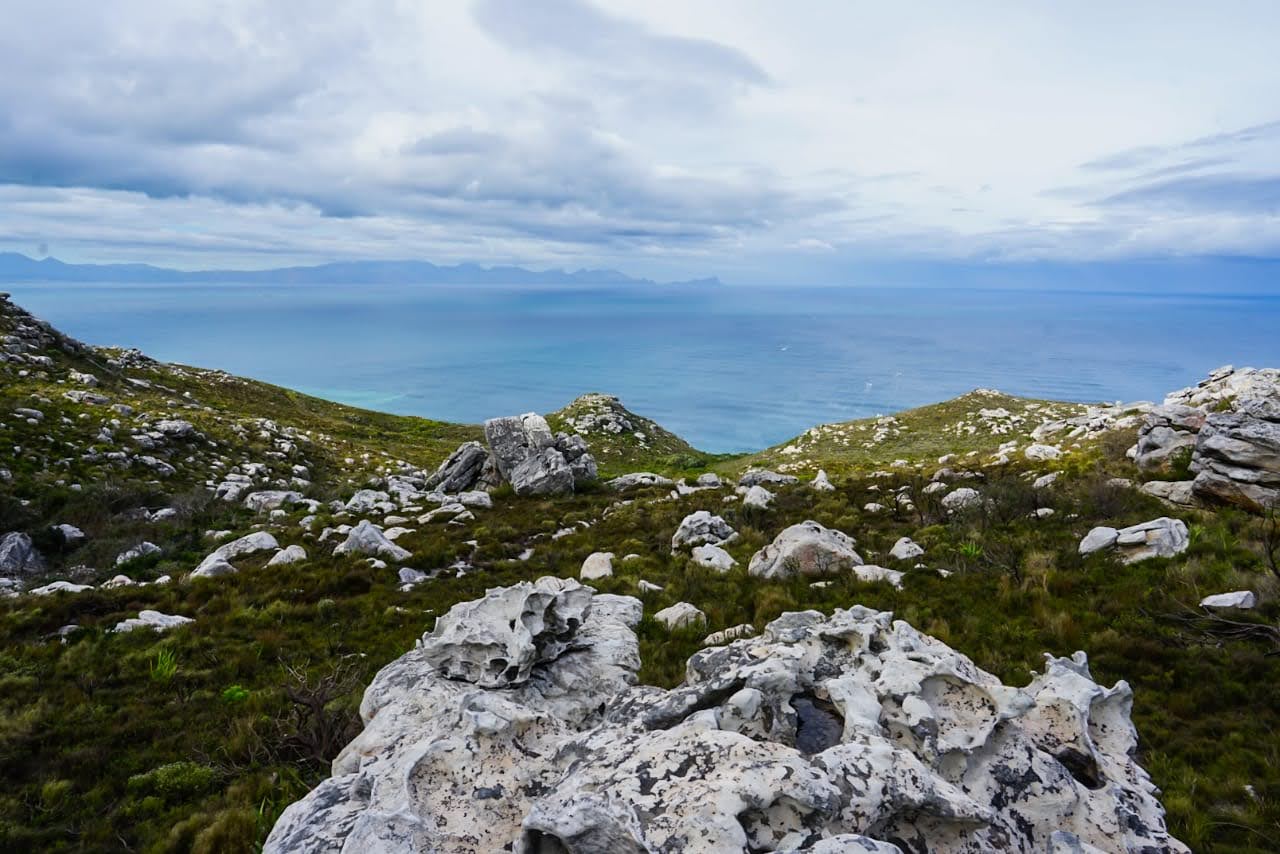
Hiking in the Western Cape: Cape Town, Montagu and the Cederberg
The best hiking near Cape Town, Montagu and the Cederberg — Table Mountain routes, wilderness trails, ravine walks, what to bring, and how a private guided hike works.
Read more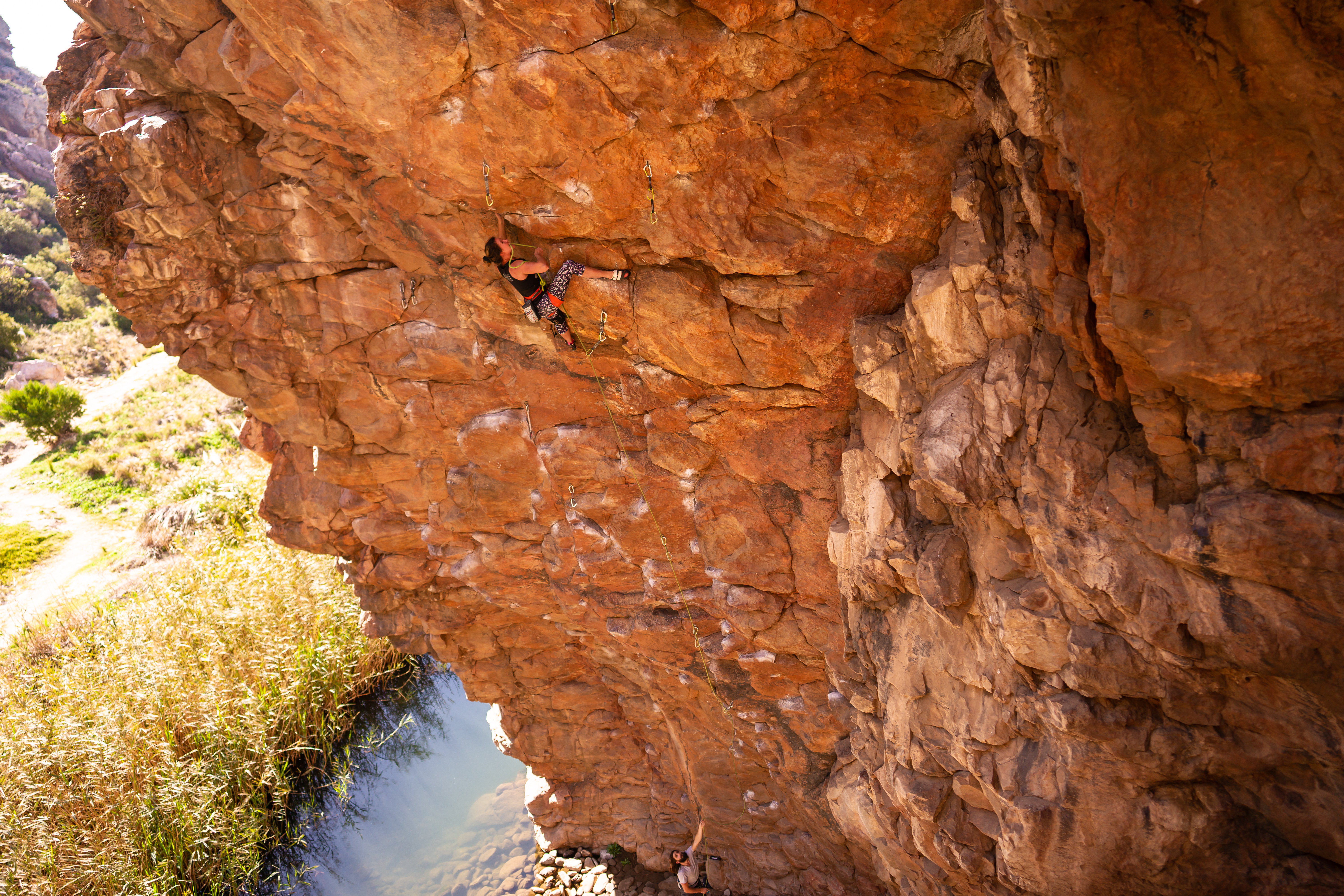 Adventure & Outdoors
Bouldering in Cape Town and Rocklands (Cederberg): A Visitor’s Guide
A practical guide to bouldering near Cape Town, from world-class Rocklands in the Cederberg to city crags and gyms — seasons, permits, grades, and how to do it as a private trip.
Read moreCape Town Travel TipsIs Cape Town Safe for Tourists? Practical Advice From Local Guides
An honest local answer to the most-asked Cape Town question — where visitors spend their time, the precautions that genuinely matter, and how a private guide changes the picture.
Read moreBook a private Cape Town or Western Cape tour shaped around your interests.
Tell us your dates, group size, pace, and travel interests. We will help recommend a suitable tour or custom route.